Archives
- 2026-10
- 2026-09
- 2026-08
- 2026-07
- 2026-06
- 2026-05
- 2026-04
- 2026-03
- 2026-02
- 2026-01
- 2025-12
- 2025-11
- 2025-10
- 2025-09
- 2025-03
- 2025-02
- 2025-01
- 2024-12
- 2024-11
- 2024-10
- 2024-09
- 2024-08
- 2024-07
- 2024-06
- 2024-05
- 2024-04
- 2024-03
- 2024-02
- 2024-01
- 2023-12
- 2023-11
- 2023-10
- 2023-09
- 2023-08
- 2023-07
- 2023-06
- 2023-05
- 2023-04
- 2023-03
- 2023-02
- 2023-01
- 2022-12
- 2022-11
- 2022-10
- 2022-09
- 2022-08
- 2022-07
- 2022-06
- 2022-05
- 2022-04
- 2022-03
- 2022-02
- 2022-01
-
The Scribble complex localizes to the
2022-06-28
The Scribble complex localizes to the leading edge in response to integrin engagement. There, Scribble controls the activation Rac and PAK via the Rac GEF β-Pix (Bahri et al., 2010), which is required for collective cell migration (Omelchenko et al., 2014). However, on the rear edge, Scribble can be
-
br Consequence physiological function of ROS dependent inhib
2022-06-28

Consequence/physiological function of ROS-dependent inhibition of GSNOR Plants response to environmental changes induced by abiotic and biotic factors by enhanced accumulation of ROS resulting in temporary imbalance of the cellular redox homeostasis. This as oxidative stress/burst termed event tr
-
br Author contributions br Conflict of interest br Acknowled
2022-06-28
Author contributions Conflict of interest Acknowledgments We appreciate technical support of the Research Support Center at the Graduate School of Medical Sciences of the Kyushu University. This study was supported by the Uehara Memorial Foundation and a KAKENHI grant from the Ministry of E
-
In this study we explore different mathematical models for d
2022-06-28
In this study, we explore different mathematical models for describing the IVIVC of a preclinical dataset of 12 different dual GPR109A/GPR81 agonists. The objective is to establish a predictive model of in vivo lipolysis suppression in the rat based on in vitro potency data. First, a nonlinear mixed
-
br Conclusion br Acknowledgements This work was supported by
2022-06-28
Conclusion Acknowledgements This work was supported by a Grant-in-Aid for challenging Exploratory Research (15K12715) and was a partly supported by Suzuken Memorial Foundation (2014). The authors would like to thank Enago (www.enago.jp) for the English language review. G protein-coupled rec
-
In this report we characterized
2022-06-28
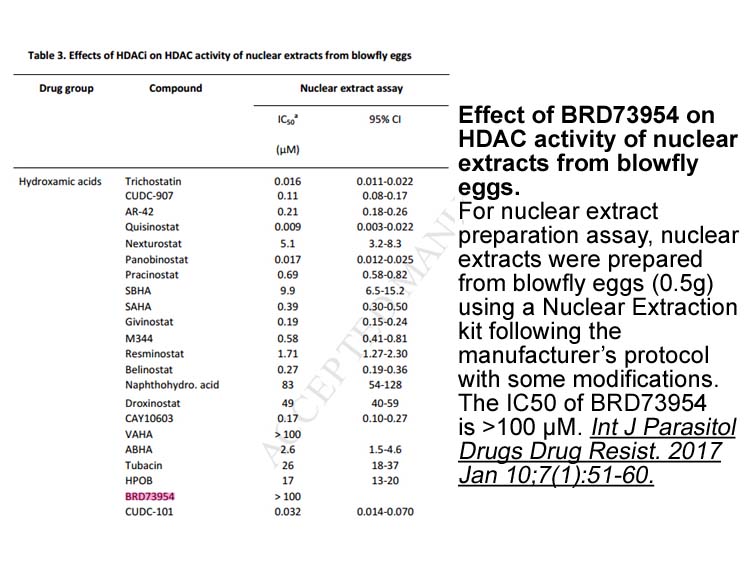
In this report, we characterized MRJP-containing Panobinostat and other (glyco)proteins from honey. Honey glycoproteins demonstrated potent anti-C. elegans activity. It has been reported that molecules that kill C. elegans are likely to be toxic to parasitic nematodes (Burns et al., 2015). To exami
-
Free fatty acid receptor FFAR also known as GPR belongs
2022-06-28
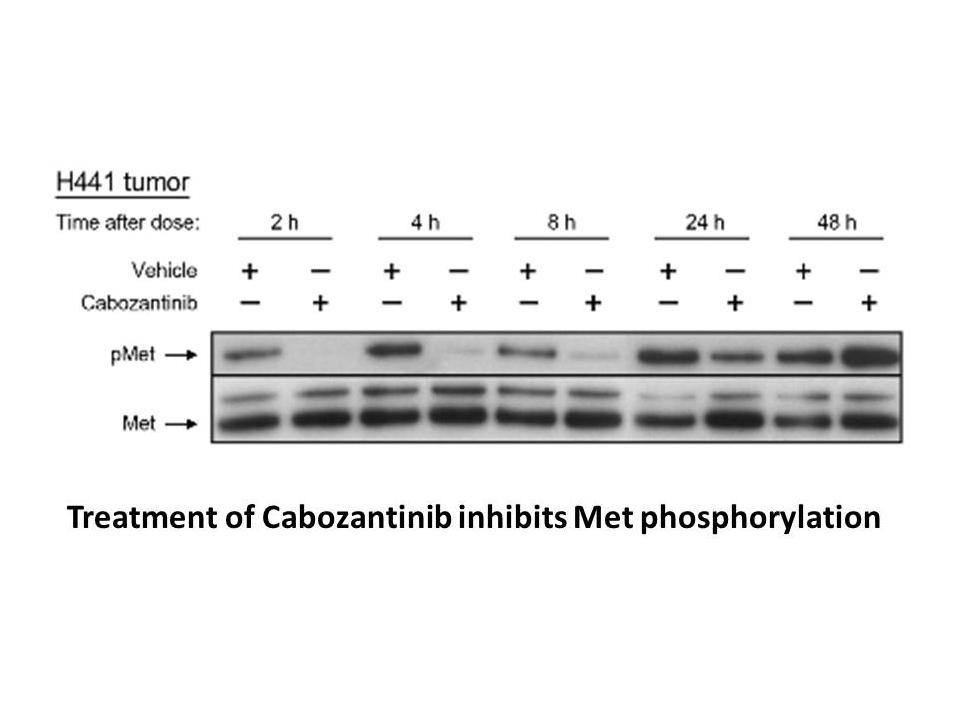
Free fatty 2 deoxyglucose receptor 1 (FFAR1, also known as GPR40) belongs to the family of G protein-coupled receptors (GPCRs) and was de-orphanized in 2003 as a receptor for medium-to long-chain free fatty acids (FFAs) [9,10]. Mainly expressed in beta cells of pancreatic islets, GPR40 can be activ
-
br Acknowledgments br Introduction Postmenopausal osteoporos
2022-06-27
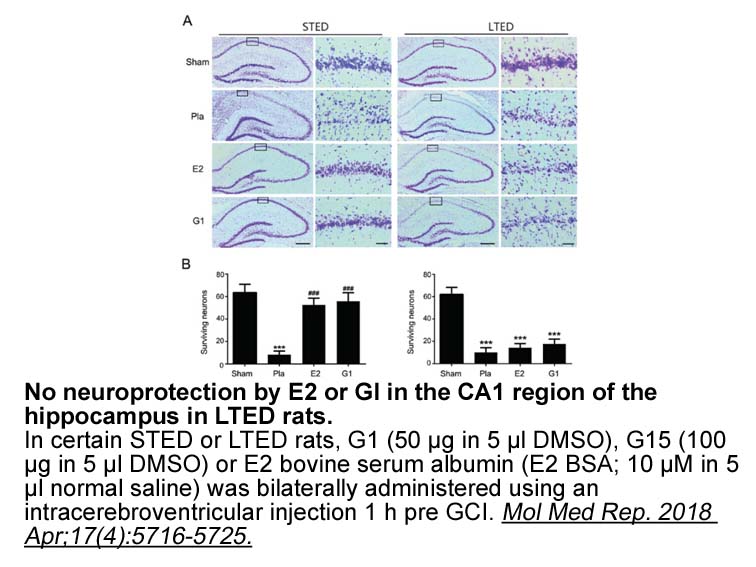
Acknowledgments Introduction Postmenopausal osteoporosis, which is primarily caused by 92 3 australia deficiency, has been a worldwide health problem and threatens postmenopausal women of all races. An estimated 80% of osteoporosis patients in the United States are women, and approximately 30
-
Furthermore our results are the
2022-06-27
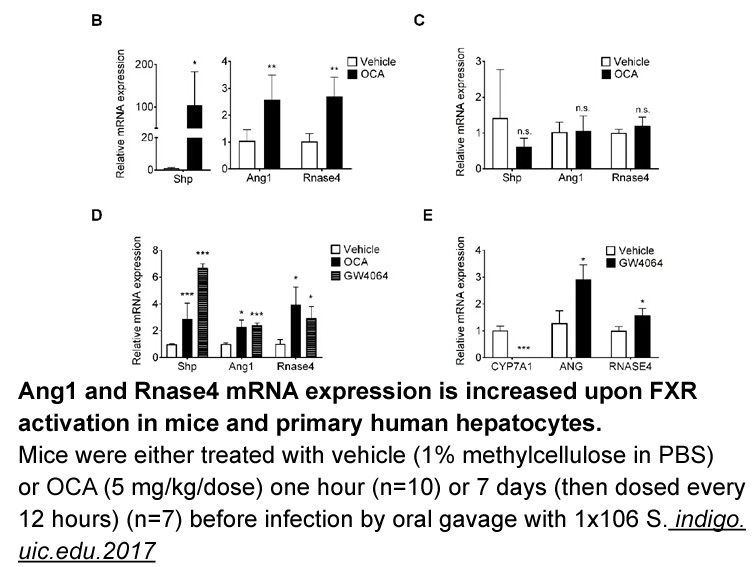
Furthermore, our results are the first to demonstrate that the stimulating effect of GALP on AVP release in rats is independent of galanin receptors. The same stimulatory GALP influence on AVP secretion has been also observed in the presence of galantide, an antagonist of Gal receptors in the incuba
-
br Experimental Procedures Information on the materials
2022-06-27
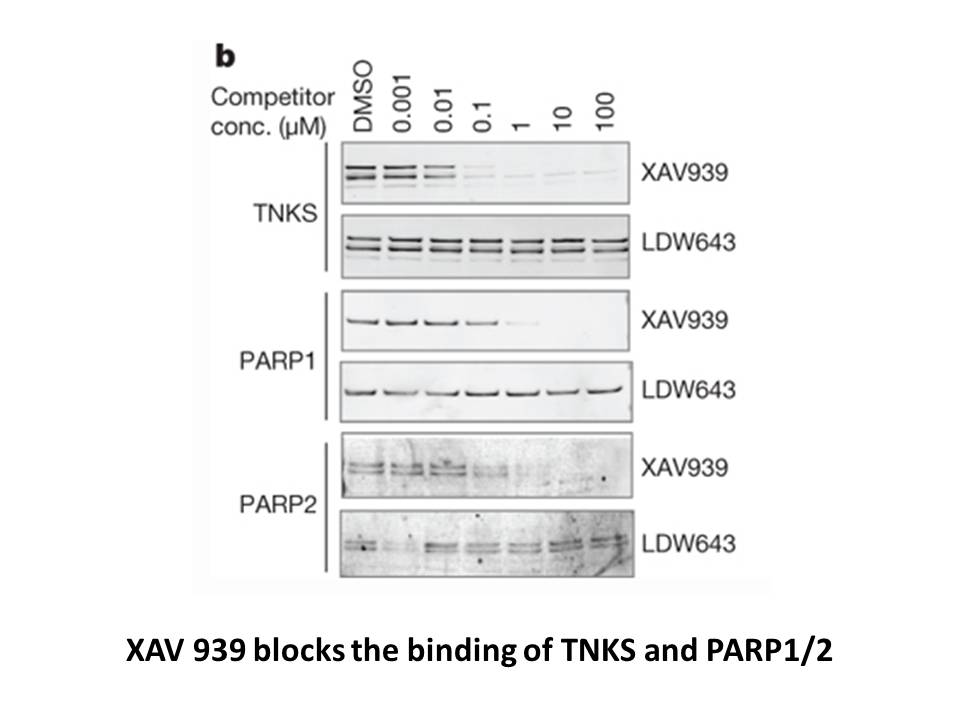
Experimental Procedures Information on the materials used in this study and the details of how the in vivo and in vitro assays were performed are provided in Supplemental Information. Acknowledgments This research was supported by the National Research Foundation of Korea (NRF) grant funded b
-
Whether ferroptosis specific inhibitor could promotes spinal
2022-06-27
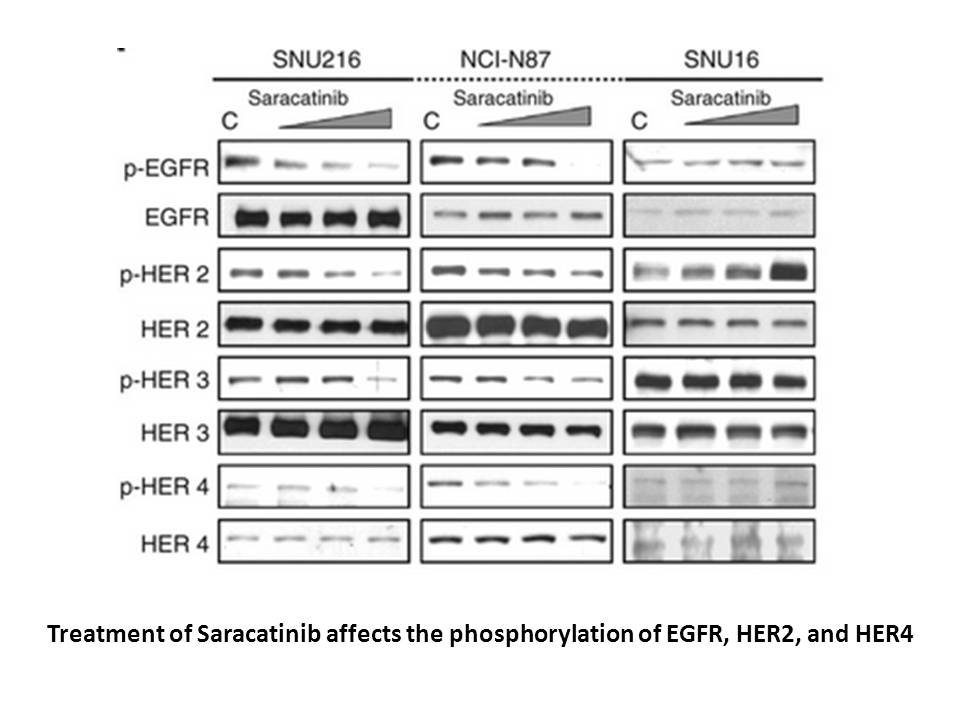
Whether ferroptosis specific inhibitor could promotes spinal cord repair is a question worth to explore. A potent and stable ferroptosis specific inhibitor is essential for in vivo study. Ferrostatin-1 (Fer-1), the first generation of ferroptosis inhibitor, was shown actively suppressing ferroptosis
-
Although epigenetic mechanisms are implicated
2022-06-27
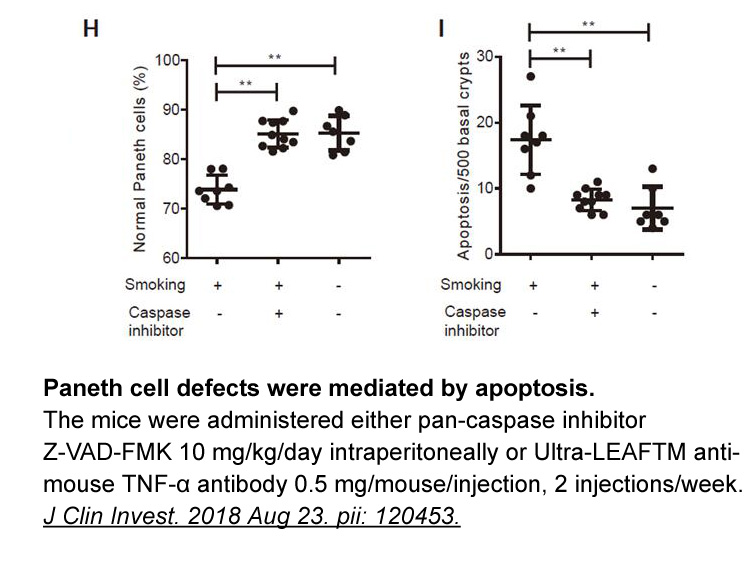
Although epigenetic mechanisms are implicated in the pathogenesis of hematopoietic malignancies, little is known about the role of lysine-specific histone demethylases and whether manipulation of these enzymes can be translated into targeted therapies. KDM6A is the most frequently mutated histone de
-
The H autoreceptors distributed mainly
2022-06-27
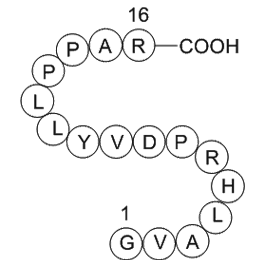
The H3 autoreceptors distributed mainly in the CNS act as a negative feedback on histamine synthesis and release from histaminergic neurons. Histamine is involved in many physiological functions such as sleep-wake regulation, circadian and feeding rhythm, thermal regulation, locomotion, learning, co
-
In our study SHH protein overexpression was significantly
2022-06-27
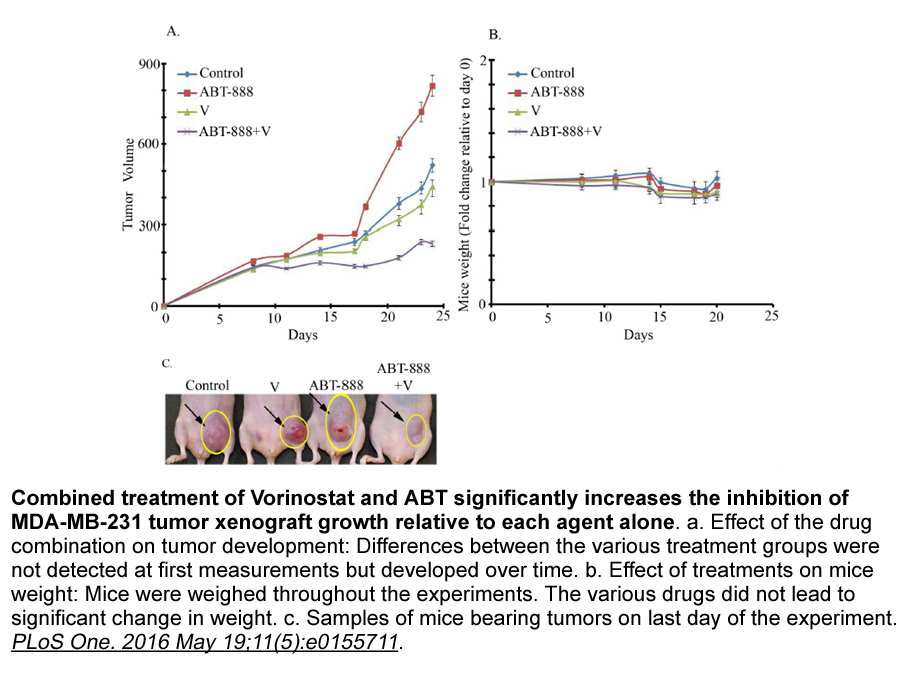
In our study, SHH protein overexpression was significantly associated with lymph node metastasis which is in agreement with the study done by Marechal et al. wherein they have reported that SHH is a prognostic biomarker in PDAC and high levels correlate with lymph node metastasis (Maréchal et al., 2
-
The dramatically reduced expression of CFTR
2022-06-27
The dramatically reduced expression of CFTR in human colorectal cancer tissues identified herein is consistent with our previous findings using human breast cancer tissues, prostate cancer tissues, and colon cancer tissues, and suggests that the loss of CFTR is likely a general phenomenon in epithel
8837 records 488/590 page Previous Next First page 上5页 486487488489490 下5页 Last page