Archives
- 2026-06
- 2026-05
- 2026-04
- 2026-03
- 2026-02
- 2026-01
- 2025-12
- 2025-11
- 2025-10
- 2025-09
- 2025-03
- 2025-02
- 2025-01
- 2024-12
- 2024-11
- 2024-10
- 2024-09
- 2024-08
- 2024-07
- 2024-06
- 2024-05
- 2024-04
- 2024-03
- 2024-02
- 2024-01
- 2023-12
- 2023-11
- 2023-10
- 2023-09
- 2023-08
- 2023-07
- 2023-06
- 2023-05
- 2023-04
- 2023-03
- 2023-02
- 2023-01
- 2022-12
- 2022-11
- 2022-10
- 2022-09
- 2022-08
- 2022-07
- 2022-06
- 2022-05
- 2022-04
- 2022-03
- 2022-02
- 2022-01
- 2021-12
- 2021-11
- 2021-10
- 2021-09
- 2021-08
- 2021-07
- 2021-06
- 2021-05
- 2021-04
- 2021-03
- 2021-02
- 2021-01
- 2020-12
- 2020-11
- 2020-10
- 2020-09
- 2020-08
- 2020-07
- 2020-06
- 2020-05
- 2020-04
- 2020-03
- 2020-02
- 2020-01
- 2019-12
- 2019-11
- 2019-10
- 2019-09
- 2019-08
- 2019-07
- 2019-06
- 2019-05
- 2019-04
- 2018-11
- 2018-10
- 2018-07
-
Although there was little to no expression change observed
2020-12-16
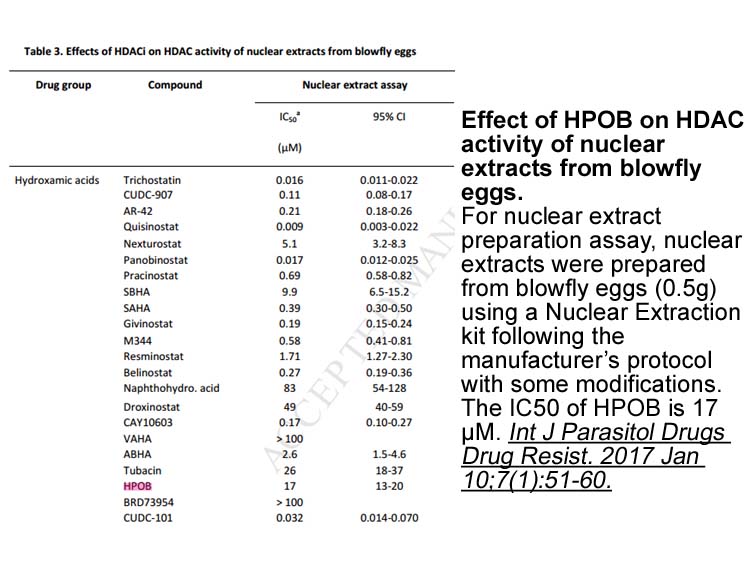
Although there was little to no expression change observed by TELI of the recA and ruvA genes upon CAA exposure, other specific repair pathways were induced by both CAA and SO and include the SOS-inducible gene sulA, the DNA repair gene ykfG, the mismatch repair gene mutS, the recombination and repa
-
The outcome of DGK function will thus depend on the
2020-12-16
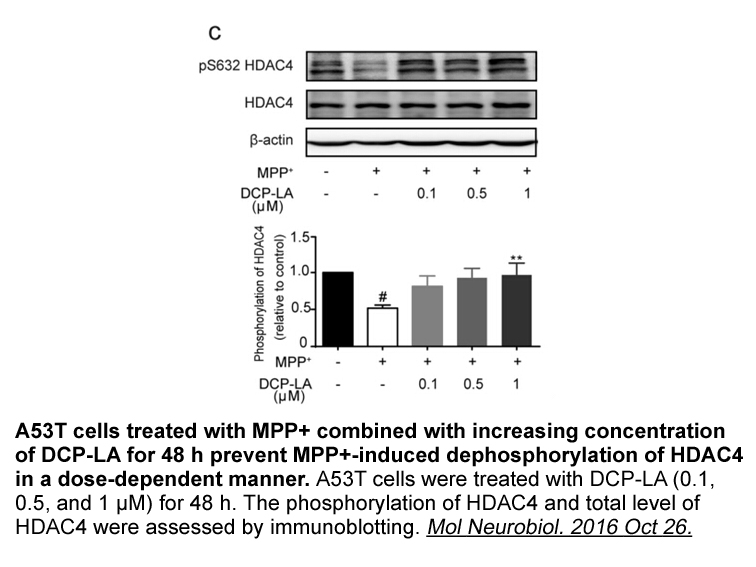
The outcome of DGK function will thus depend on the binding partners of each DGK isoform, and the effects that they exert can be quite different. A clear example of this concept has been demonstrated for the type IV DGKs, ζ and ι, which are structurally very similar but have opposing effects on Ras
-
br Diacylglycerol kinases and T cell responses
2020-12-16
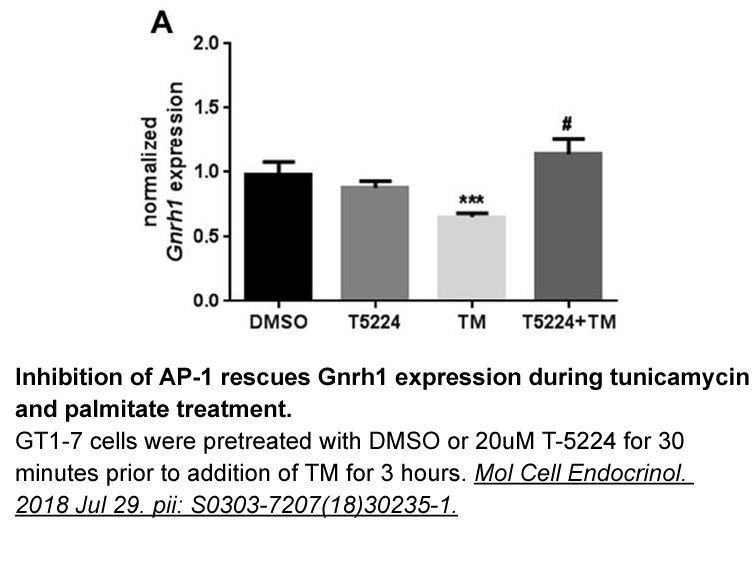
Diacylglycerol kinases and T cell responses Diacylglycerol kinases and cancer Several studies implicate DGKα in tumor progression, but its function is debated, as it might also have roles as a tumor suppressor. Diminished DGKα expression is linked to malignant transformation in epithelia. High
-
br Experimental section br Notes br PDB ID
2020-12-16
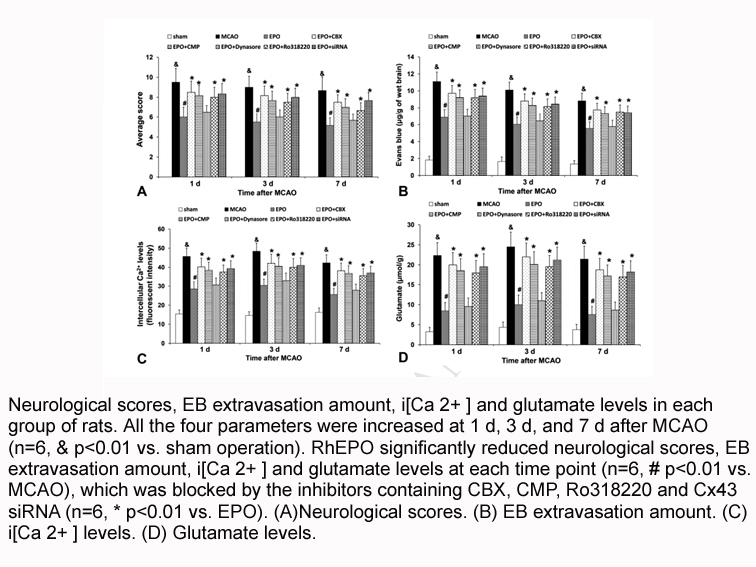
Experimental section Notes PDB ID codes The atomic coordinates and structure factors of hDHODH in complex with compounds 4 (PDB id: 5MVC), 5 (PDB id: 5MVD) and 6 (PDB id: 5MUT) have been deposited in the RCSB Protein Data Bank. Acknowledgements This research was financially supported by
-
br Phylogenetic analysis KSTDs have rather diverse amino aci
2020-12-16
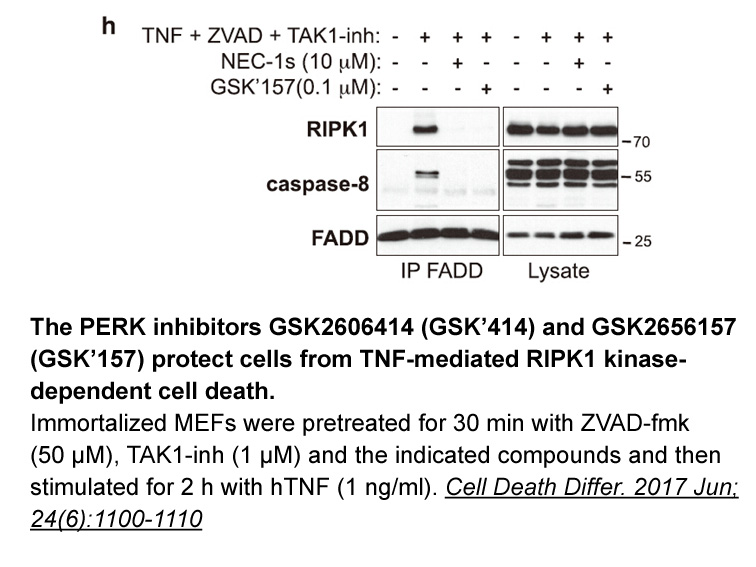
Phylogenetic analysis — Δ1-KSTDs have rather diverse amino Bisindolylmaleimide VIII acetate sequences. A sequence distance analysis using the program MEGA6 [75] of all currently biochemically characterized Δ1-KSTDs yielded a largest p-distance [76] of 0.67 (on a scale of 0-1) for the Δ1-KSTDs fro
-
Apoptozole br Results br Discussion The sequence homology ba
2020-12-16
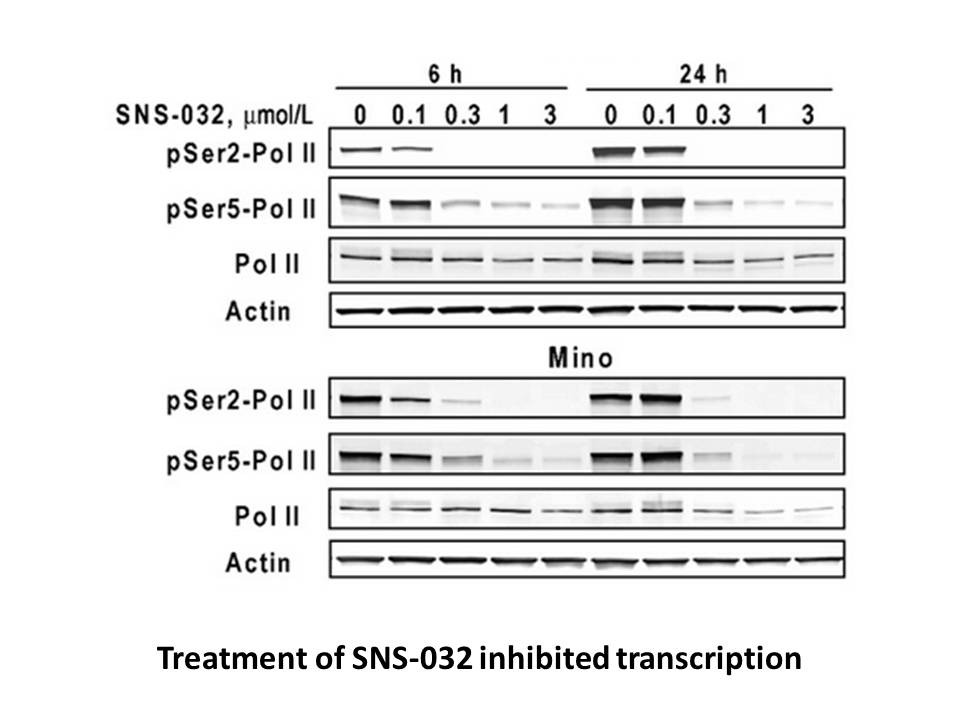
Results Discussion The sequence homology-based clustering of the human kinome by Manning et al. (2002) has been extremely useful to organize kinases into Apoptozole by sequence relationship. Since kinases are such prominent drug targets, we expect that clustering of the kinases by their inhib
-
Here we also took attempt to
2020-12-16
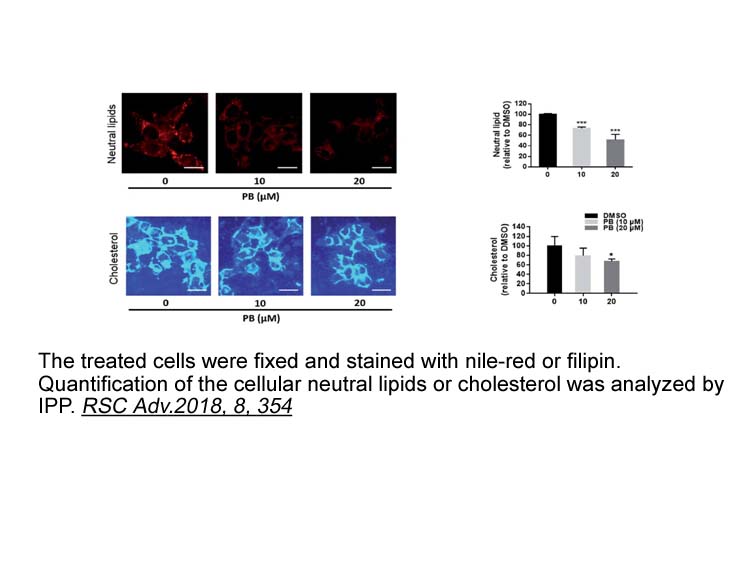
Here we also took attempt to evaluate the CYP mediated inhibition potential of S. chirata and its biomarker ursolic Phosphatase Inhibitor Cocktail (2 Tubes, 100X) on pooled RLM by CYP-CO complex assay. We observed that S. chirata extract and ursolic acid showed less enzyme inhibition than known inh
-
Preliminary studies evidenced the presence of CRFr
2020-12-16
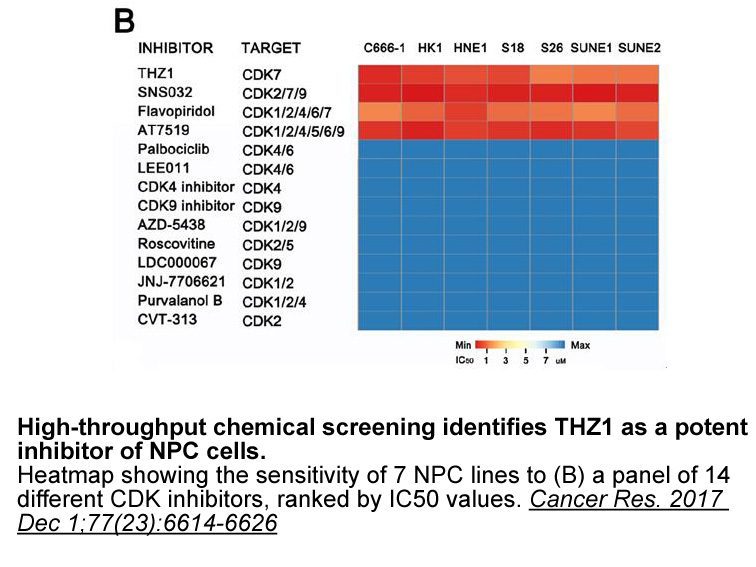
Preliminary studies evidenced the presence of CRFr in gamma-aminobutyric acid-ergic (GABAergic) neurons of the hippocampus (Yan et al., 1998). In fact, in this TAK-285 sale area, CRF inhibits glutamate release through CRF1r (Bagosi et al., 2015), leading to a decrease in the GABA concentration in th
-
AMPK is a master regulator of metabolic homeostasis its broa
2020-12-16
AMPK is a master regulator of metabolic homeostasis, its broad spectrum of metabolic activities makes it an attractive target for treatment of metabolic and related disorders including Diabetes and Obesity (Madhavi et al., 2018). It controls lipid metabolism through its target genes PPAR-γ, C/EBP-α
-
In order to further evaluate
2020-12-16
In order to further evaluate cpt1a function, we determined its tissue distribution in large yellow croaker. The mRNA levels of cpt1a were detected in all the tested tissues, but at varying levels. cpt1a mRNA expression was the highest in liver among different tissues, similar to reports in other fis
-
In brief while previous studies have evaluated the individua
2020-12-15
In brief, while previous studies have evaluated the individual roles of VDR and ER signaling pathways in breast cancer, in the present study we performed an in silico approach for comparative evaluation of these pathways. Considering the complex interaction networks in the context of cancer, such co
-
These findings further extend our knowledge of how P
2020-12-15
These findings further extend our knowledge of how P4 and/or E2 can mediate anxiety and fear responses. Female rats in behavioral estrous and ovx rats administered systemic P4 and/or E2 demonstrated significantly less anxiety in the open field and/or elevated plus maze, compared to diestrous rats, a
-
cyclic amp function receptor In summary we investigated the
2020-12-15
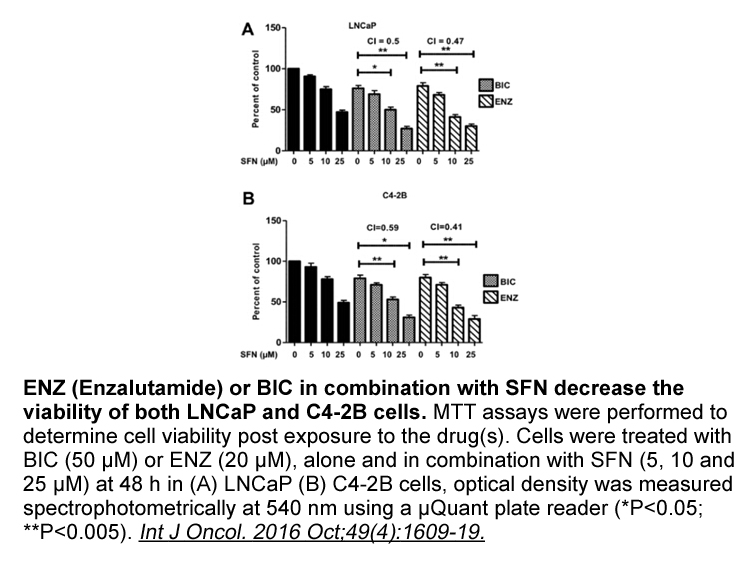
In summary, we investigated the fluoride sensitivity of different S. mutans strains in terms of enolase activity. Lower enolase activity was not always associated with lower S. mutans growth in cultures with NaF. Gene analysis showed that UA130 and NCH105 both have enolase point mutations. Unique am
-
Our results showed that in
2020-12-15
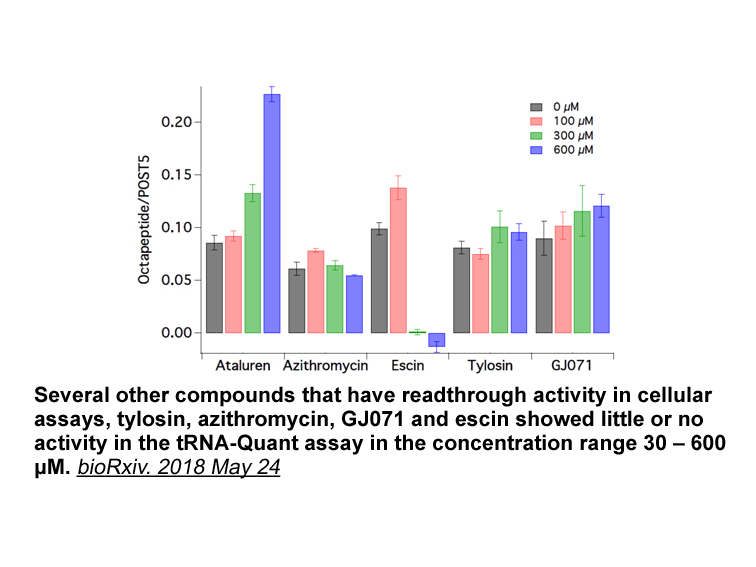
Our results showed that in elastase-induced AAA, TGF-β neutralization finely tunes macrophage phenotype. Note that several studies have already addressed the role of M1 markers, such as IL-6 and IL-1β, or M2 markers, including IL-10 and TGF-β.4, 9, 10, 11 The expression and the role of ARG1 in AAA h
-
Judging from the densitometric analysis of the Western
2020-12-15
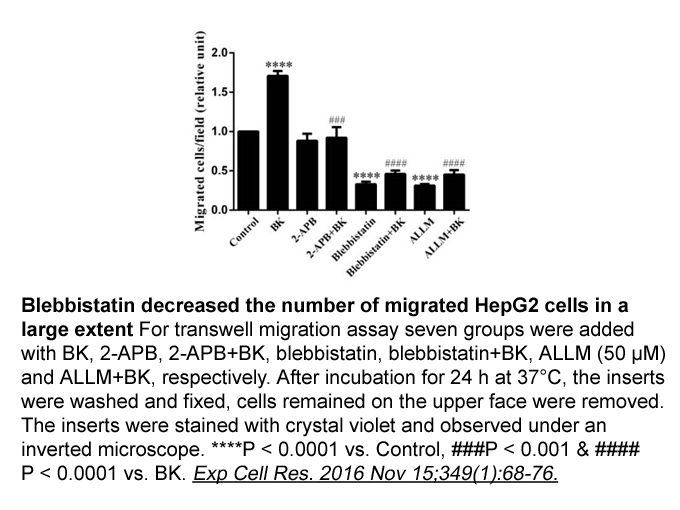
Judging from the densitometric analysis of the Western blots, CYP2E1 protein was expressed, although at very low levels, by PT cells. This corresponds to previous observations [10], showing that CYP2E1 was expressed in the PT, although expression was higher in the distal tubule. Testosterone 6β-hyd
16891 records 790/1127 page Previous Next First page 上5页 786787788789790 下5页 Last page